
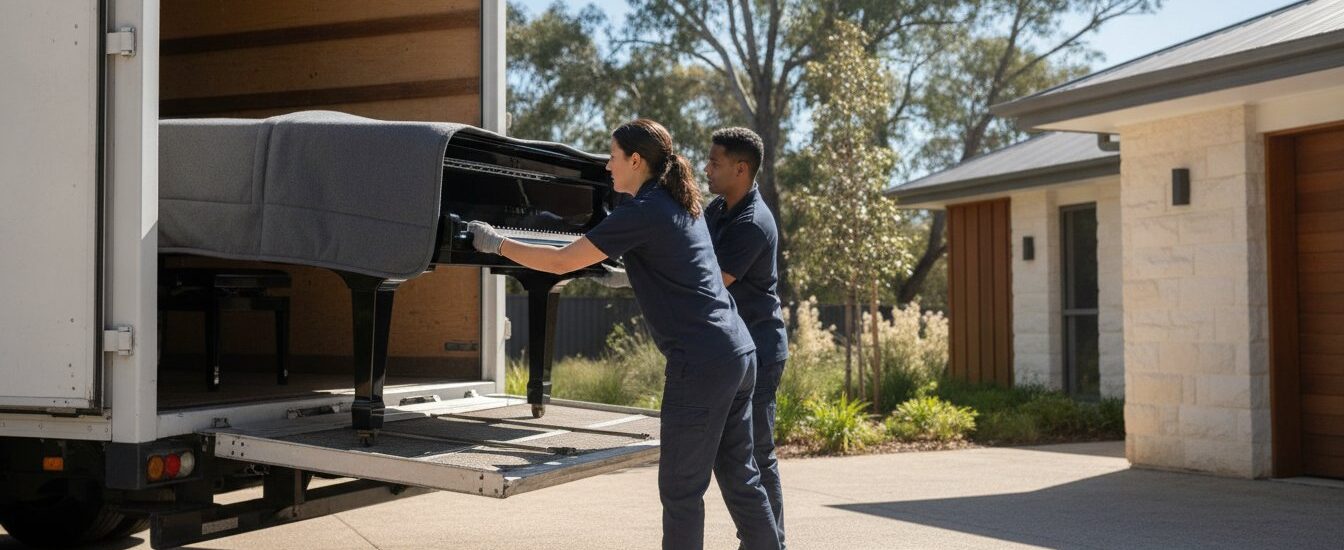
Moving a piano is a precision engineering task rather than a simple heavy lifting job. With Australia once boasting the highest rate of piano ownership in the world, many families still hold onto these delicate instruments as cherished heirlooms. It is completely normal to feel anxious about soundboard cracks or structural damage during a move. You likely want to avoid the high cost of post-move repairs or the frustration of a piano that won’t stay in tune. Selecting a qualified piano removal company is the most important decision you can make to protect your instrument’s value.
This guide will help you identify a specialist who understands the mechanical complexity of your piano. We provide a clear framework for vetting providers and explain the specialised equipment required for a safe transit. You’ll discover why specialist quotes are structured differently than general furniture moves and what specific insurance details you must verify. We promise to give you the tools to find a steady hand for your relocation. By following these steps, you can ensure your piano arrives at its new home ready to play and perfectly preserved.
Key Takeaways
- Understand why a piano’s internal tension and thousands of delicate parts require a specialist’s mechanical advantage rather than mere brute force.
- Learn how to vet a professional piano removal company by verifying their experience with your specific instrument and checking for specialised equipment like skids and hydraulic tailgates.
- Discover the critical preparation steps, from locking keyboard lids to conducting site surveys that account for narrow hallways and steep stairs.
- Master the logistics of interstate relocation by coordinating your instrument’s transport with your broader moving timeline and secure storage options.
Why a Specialist Piano Removal Company is Non-Negotiable
A piano is far more than a heavy piece of furniture. It’s a sophisticated machine containing over 12,000 individual parts, many of which are under immense mechanical tension. When you hire a professional piano removal company, you aren’t just paying for muscle. You’re hiring a technician trained in the physics of instrument weight distribution who understands how to manage the centre of gravity for a top-heavy upright or a sprawling grand. While a general furniture removalist might rely on brute strength to shift a heavy item, a specialist uses mechanical advantage and precision equipment to ensure the instrument’s structural integrity remains intact.
A piano removalist is a technician trained in the physics of instrument weight distribution. Without this specific knowledge, a move can quickly become a liability. Improper handling often leads to soundboard cracks. These structural failures are devastating because they often cost more to repair than the piano is actually worth. Choosing a dedicated piano removal company ensures that the thousands of moving parts inside your instrument are protected from the shocks and vibrations of transit.
The Myth of the “Standard Move”
Many homeowners assume their local furniture mover can handle a piano as part of a standard house move. This is a risky assumption. Standard household insurance policies often exclude high-value musical instruments unless they’re specifically listed. Even then, they may not cover damage caused by “improper handling” by non-specialists. There is a vast difference between moving a 100kg wardrobe and an 800kg concert grand. For those interested in understanding the modern piano and its physical requirements, it becomes clear that its weight distribution is unique and unforgiving. Common DIY or generalist disasters include snapped castors, warped pedals, and significant internal misalignment.
Protecting the Soundboard and Internal Integrity
The soundboard is the heart of your instrument. It’s a thin piece of timber that can easily crack if the piano is dropped even a few centimetres or subjected to rapid temperature changes. A dedicated specialist uses specialised thermal wrapping to maintain a stable internal environment during transit. This protects the wood from Australia’s harsh humidity shifts, which can cause the timber to swell or shrink. A successful move isn’t just about getting the instrument through the door without a scratch on the cabinet. The hallmark of a professional is “in-tune” delivery. This means the internal tension is preserved so well that the piano requires only a minor touch-up rather than a full structural overhaul.
Essential Criteria for Selecting Your Piano Removalist
Selecting a piano removal company isn’t like hiring a standard courier. You need a specialist that understands the unique requirements of your specific instrument. For instance, moving a baby grand requires different techniques and tools than a standard upright. A grand piano involves dismantling legs and lyres, while an upright requires careful management of a high centre of gravity. Ask for references or case studies involving instruments similar to yours. If you’re planning a long-distance relocation, ensure the provider has the infrastructure to handle national piano logistics with a consistent chain of care.
Always demand a fixed quote. Hourly rates can lead to unexpected costs if the move takes longer than anticipated. A professional quote should be all-inclusive, covering the weight of the instrument and any access challenges like stairs or narrow turns. This transparency builds trust and ensures there are no hidden “heavy lifting” surcharges on the day. It also allows you to budget effectively for the entire relocation process without the stress of ticking clocks.
Specialised Equipment Checklist
A professional setup is easy to spot. Look for these essential tools during your vetting process:
- Piano trolleys: These must have non-marking rubber wheels. This prevents permanent damage to polished floorboards or tiles.
- Custom-fit covers: Heavy-duty padded blankets are a minimum requirement. Specialists often use tailored covers that secure the lid and cabinet against minor abrasions.
- Hydraulic tailgates: Manual lifting is dangerous for the crew and the instrument. A hydraulic lift ensures a level, vibration-free transition into the truck.
Understanding Transit Insurance for Instruments
Standard home and contents insurance rarely covers an instrument once it leaves your property. When vetting a piano removal company, ask about their specific transit insurance. There is a significant difference between “restricted cover,” which only applies if the truck is involved in an accident, and “full replacement value.” Full cover should protect against any damage sustained during the loading, transit, and unloading process. Ask the removalist if their policy covers internal mechanical damage or just external cabinet scratches. Knowing exactly what is protected provides the calm and reliability you need during a complex move.

The Anatomy of a Professional Piano Relocation
A successful relocation begins with a meticulous site survey. A specialist piano removal company won’t just turn up and hope for the best. They evaluate every centimetre of the path, identifying narrow hallways, tight corners, and uneven surfaces that could disrupt the move. This survey ensures the team arrives with the correct number of personnel and the right equipment to manage the instrument’s specific dimensions. Measuring the width of doorways and the height of stairwell ceilings is a standard part of the process that prevents mid-move delays.
Preparation is the next critical phase. Your movers will lock the keyboard lid and remove any loose components like music stands or pedal lyres to prevent internal rattling. For grand pianos, the team uses a specialised piano skid, often called a “shoe,” to provide a stable base once the legs are removed. A professional never lifts a piano by its legs or lid. Instead, they use the structural frame and mechanical aids to distribute the weight safely. This methodical approach ensures the instrument’s delicate internal geometry remains perfectly aligned during the transition.
Navigating Difficult Access and Stairs
Multi-level moves require advanced logistics. If your home has a steep staircase or a narrow landing, your piano movers may deploy stair-climbing trolleys or custom ramps. In some upper-storey apartment scenarios, a crane might be the only safe option to avoid damaging the building’s internal structure. It’s essential to communicate these access hurdles clearly before moving day to ensure a seamless execution. If you are facing a complex access situation, you can request a specialist piano moving quote to ensure the right equipment is reserved for your date.
Climate-Controlled Logistics for Long Distances
Australia’s extreme heat is a significant threat to a piano’s internal glue and timber. Rapid temperature shifts during a long-distance move can cause the soundboard to warp or the tuning pins to loosen. Reputable professional removalists use enclosed, ventilated trucks to maintain a more consistent environment for the instrument. Once the piano arrives, resist the urge to tune it immediately. You must wait 2 to 4 weeks for the timber to settle and acclimate to the humidity levels of its new room before calling a technician. This patience ensures the tuning holds and prevents unnecessary follow-up visits.
Planning Your Interstate Piano Relocation with Confidence
Moving across state lines adds a significant layer of complexity to instrument care. You require a piano removal company that operates a robust national network. This ensures the same high standards of handling apply at both your origin and your destination. Coordination is the key to a stress-free experience. You should align your instrument’s journey with your broader moving interstate timeline to avoid logistical bottlenecks. Locking in your budget early is also vital. Use an instant online quote tool to get a clear understanding of costs before you commit to a provider.
Short-term storage is a common requirement for interstate moves. If your new home isn’t ready for the instrument, don’t rush the delivery. A specialist provider can hold your piano in a secure facility until your space is prepared. This prevents the instrument from being moved twice in quick succession; it also reduces the risk of mechanical stress caused by an unsettled environment.
Integrating Pianos into a Household Move
The piano is typically the first item loaded onto the truck and the last one off. This positioning ensures it remains secure and accessible for the specialised unloading process. Before the team arrives, clear a wide path to the exit and protect your floors. If there is a delay between settlement dates, seek out storage solutions that offer climate monitoring. Maintaining a stable environment is the best way to protect the internal timber and glue from the fluctuations of long-distance transit.
Final Checklist for Moving Day
Preparation on the day ensures everything runs like clockwork. Follow this quick checklist to maintain control of the process:
- Verify the crew: Confirm the arrival time and ensure at least two specialised movers are assigned to the task.
- Document the condition: Conduct a pre-move report. Take clear, high-resolution photos of the cabinet and internal strings for insurance purposes.
- Clear the path: Remove rugs, small furniture, and wall hangings along the exit route to avoid any accidental bumps.
By following these steps, you can hand over the keys to your instrument with total peace of mind. A methodical plan transforms a daunting interstate move into a predictable, professional service.
Securing Your Instrument’s Future
Moving a piano safely requires a shift in mindset from simple transport to technical preservation. You now have the framework to distinguish between a general mover and a dedicated specialist who uses mechanical advantage and custom equipment. Protecting the soundboard and internal integrity is the only way to avoid the high costs of structural repairs. By verifying insurance details and insisting on a fixed quote, you eliminate the risks associated with hidden fees or inadequate coverage. This methodical approach ensures your instrument remains a functional heirloom rather than a logistical burden.
Our team provides the steady hand and technical expertise needed for a seamless relocation. We offer specialist piano handling expertise and fully insured national transport to protect your investment across every state border. Ready to secure your instrument’s journey? Get an instant quote for your piano move today and benefit from our instant online quotes for all Australian relocations. Your piano is a masterpiece of engineering that deserves meticulous care. With the right planning and a qualified piano removal company by your side, your instrument will arrive at its new home ready to inspire for years to come.
Frequently Asked Questions
Can I move a piano myself with a few friends?
Moving a piano yourself is extremely risky and often leads to serious personal injury or permanent damage to the instrument. Pianos are top-heavy and mechanically delicate; they aren’t designed to be lifted by the lid or legs. Without specialised trolleys and ramps, you risk dropping the unit and shattering the internal cast-iron frame. Professional movers use specific techniques to manage weight distribution that a group of friends simply cannot replicate safely.
How much does it typically cost to hire a piano removal company?
The cost of hiring a piano removal company depends on the instrument type, the distance of the relocation, and the complexity of access at both properties. Factors such as flights of stairs, narrow hallways, or the need for a crane will influence the final quote. It is best to request a fixed price rather than an hourly rate. This ensures you have a clear budget for the specialised handling required to protect your instrument’s value.
Do I need to have my piano tuned immediately after it is moved?
You should wait between two and four weeks before tuning your piano after it arrives at its new location. This period allows the timber and strings to settle and acclimate to the specific temperature and humidity of the new environment. Tuning it immediately is often a waste of money because the instrument will continue to shift. Once the piano has stabilised, a professional tuner can ensure it holds its pitch correctly.
What is the difference between a standard removalist and a piano removalist?
A standard removalist focuses on general household items and often relies on brute strength to shift heavy furniture. In contrast, a piano removalist is a technician trained in the physics of heavy, delicate instruments. They use specific equipment like piano skids, non-marking trolleys, and hydraulic lifts. This expertise protects the mechanical integrity of the instrument, ensuring the soundboard and internal tension remain undisturbed during transit.
Is it safe to store a piano in a regular storage unit?
Storing a piano in a standard, non-ventilated storage unit is generally not recommended due to extreme temperature and humidity fluctuations. Australian heat can cause the timber to warp and the internal glue to fail over time. If you require storage, ensure the facility offers climate monitoring or stable environmental conditions. This protects the instrument from the long-term structural damage that occurs in uncontrolled or damp environments.
Will a piano removal company move a grand piano up stairs?
Most professional companies can move a grand piano up stairs, provided they have conducted a detailed site survey first. This process involves dismantling the legs and lyre and securing the body to a specialised piano board. The team then uses ramps or stair-climbing equipment to manage the elevation safely. In cases where internal stairs are too narrow or steep, a crane may be used to lift the instrument through an upper-storey window.