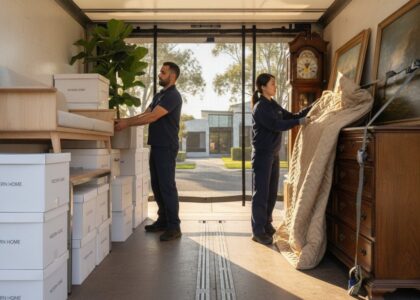
What if the difference between a seamless relocation and a structural disaster for your house was just five millimetres of floorboard protection? When you’re staring at a three hundred kilogram grand piano or an oversized industrial safe, the risk of a DIY mishap isn’t just a sore back; it’s a potential insurance nightmare. Professional heavy item movers understand that these tasks are technical engineering challenges rather than simple tests of brute strength. You want the job done without a single scratch on your polished jarrah floors or a dent in your doorframes.
We know that the anxiety over specialised transport costs and the fear of property damage can make any move feel overwhelming. This guide will show you how to navigate the process with total confidence. You’ll discover the specialised techniques and equipment required to move oversized, heavy, or fragile items safely across Australia. We will preview the impact of the August 2026 Heavy Vehicle National Law (HVNL) updates, the latest in hydraulic lifting technology, and how transparent communication about equipment ensures a damage-free relocation. Whether you’re moving interstate or just across town, you can secure the peace of mind that comes from expert handling and comprehensive professional insurance.
Key Takeaways
- Identify the specific weight thresholds and item types that signal it’s time to call in a specialist team.
- Explore the specialised equipment used to manage complex centres of gravity and protect your home’s floorboards.
- Master a simple two-step preparation process to clear a safe path and ensure your oversized items fit through every doorway.
- Learn what to look for when hiring heavy item movers to ensure you receive transparent pricing instead of unexpected hourly fees.
- Gain peace of mind by understanding how professional insurance and the 2026 safety standards protect your high-value belongings.
What Defines Specialist Heavy Item Movers?
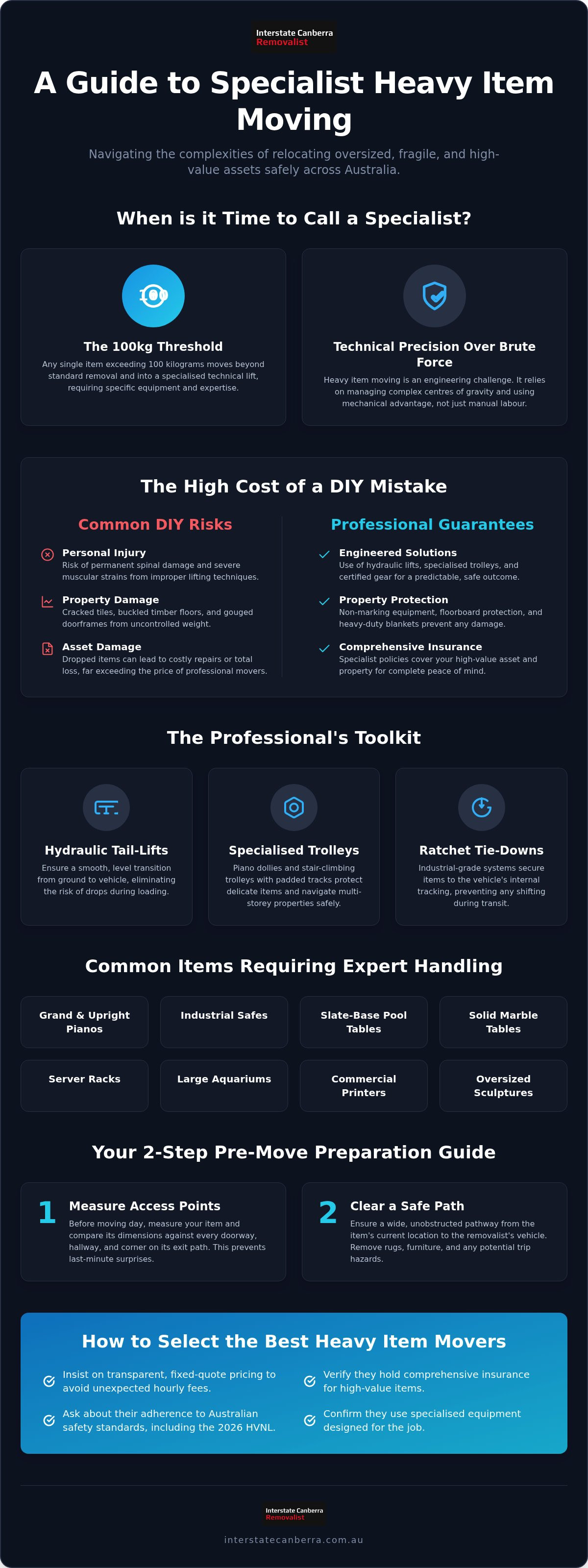
Heavy item moving is a distinct niche within the Australian removals industry. It moves beyond the standard practice of shifting boxes and light furniture. While a regular removalist might handle a sofa or a fridge, heavy item movers deal with objects that present significant logistical and physical challenges. Generally, any item exceeding 100kg or requiring more than two people to lift safely falls into this category.
The core difference lies in the transition from manual labour to technical precision. Standard removals rely on physical strength and basic trolleys. In contrast, specialised lifting involves Rigging equipment and safety protocols to manage extreme mass. This technical approach is necessary because high-density items often have complex centres of gravity. Insurance requirements also shift for these objects. Standard transit insurance often excludes items over a certain weight unless a specialist team is engaged. This ensures the high-value asset and the surrounding property remain protected under a comprehensive policy.
Common Items Requiring Specialist Handling
Many household and commercial objects require more than a standard two-man crew. These items often involve high financial or sentimental value. Common examples include:
- Musical instruments, particularly professional piano movers who understand the delicate internal mechanics of grand and upright pianos.
- Commercial equipment such as industrial-grade printers, heavy-duty safes, and server racks that house critical business data.
- Leisure and decor items like slate-base pool tables, solid marble dining tables, and large glass aquariums that are prone to cracking under uneven pressure.
Risks of DIY Heavy Lifting
Attempting to move these objects without professional help is a high-risk gamble. The most immediate danger is personal injury. Permanent spinal damage or severe muscular strains occur frequently during DIY attempts. Beyond physical health, the structural integrity of your home is at stake. Heavy loads can easily crack floor tiles, buckle timber floorboards, or gouge doorframes if not distributed correctly. If an item is dropped, the cost of repairing the asset often far exceeds the price of hiring experts. A single mistake can lead to thousands of dollars in property damage and medical bills.
Specialised Equipment Used by Heavy Item Movers
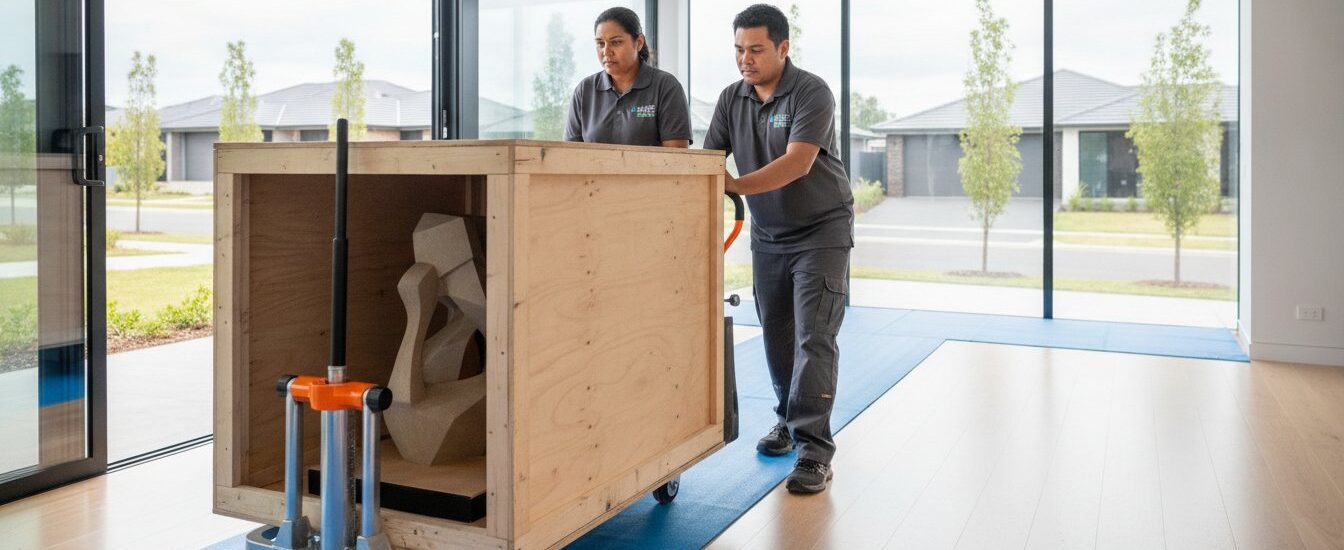
Successful heavy lifting relies on engineering principles rather than just muscle. Professional heavy item movers select equipment based on an item’s centre of gravity to ensure absolute stability during every phase of the relocation. This prevents tipping or structural strain on the object itself. We prioritise non-marking materials, such as high-density rubber wheels and padded tracks, to protect expensive Australian hardwood floors and tiles from permanent damage or scuffing. It’s a methodical process that replaces brute force with mechanical advantage.
Safety is the primary focus of any technical move. All lifting gear undergoes regular maintenance and certification to meet Australian safety standards. Adhering to rigorous guidelines, including international OSHA safety standards for material handling, ensures that clearances are maintained and mechanical aids are used correctly. This disciplined approach minimises the risk of equipment failure during a critical lift, providing you with a predictable and secure experience. Our teams are trained to inspect every strap and trolley before the first lift begins.
Essential Lifting and Transit Tools
Modern relocation requires specific tools designed for different environments. Hydraulic tail-lifts are standard on our fleet, providing a level and controlled transition from the ground to the vehicle bed. For musical instruments, specialised piano trolleys feature reinforced frames and soft-tread wheels that absorb vibrations. When navigating multi-storey properties, stair-climbing trolleys use tracked systems to move heavy loads up steps without the jarring impact of manual lifting. If you are planning a complex relocation, viewing our specialist moving services can help clarify the equipment needed for your specific items.
Securing and Protecting the Load
Protection extends beyond the lift itself. We use heavy-duty furniture blankets and industrial-grade shrink wrap to create a protective barrier against dust and moisture. Once inside the vehicle, ratchet tie-down systems secure the load to the truck’s internal tracking. This prevents any shifting during transit, which is particularly important for long-distance hauls across the country. For oddly shaped or extremely fragile goods, custom-built timber crates provide a rigid exoskeleton. This ensures the item remains suspended and safe from external pressure throughout the entire journey, regardless of road conditions.
Preparing Your Property and Items for a Heavy Lift
Preparation is the foundation of a successful move. While your heavy item movers bring the technical expertise, your role in preparing the environment is equally vital. A well-prepared property reduces the time spent on-site and minimises the risk of accidental damage to your home’s interior. It allows the team to focus on the mechanics of the lift rather than navigating unexpected obstacles.
Follow these four essential steps to ready your space:
- Step 1: Accurate measurement. Don’t rely on guesswork. Measure the height, width, and depth of the item. Then, measure every doorway, hallway, and tight corner on the exit route. Account for door handles, low-hanging lights, and skirting boards.
- Step 2: Clear the path. Remove all loose rugs, shoes, and decorative furniture from the transit route. A debris-free path allows the team to move with a steady, uninterrupted gait.
- Step 3: Document condition. Take high-resolution photos of the item from multiple angles before the move begins. This provides a clear baseline for insurance purposes and gives you absolute peace of mind.
- Step 4: Communicate weight specs. Provide the exact model number or estimated weight to your moving interstate team. This ensures they arrive with the appropriate vehicle and specialised lifting gear.
Protecting the Entry and Exit Points
High-mass objects exert immense pressure on residential surfaces. We recommend using Masonite sheets or heavy-duty floor runners to distribute weight across timber or tiled floors. This prevents the point loading that causes cracking or denting. Padding doorframes and sharp corners with foam protectors or thick blankets will prevent unsightly chips in your paintwork. Finally, ensure the driveway is clear of cars. Our heavy-duty trucks require significant space to operate hydraulic lifts and position the vehicle for a safe, level load.
Communicating with Your Removalist Team
Transparency is key to a smooth lift. Send your heavy item movers photos of any obstacles, such as steep driveways, narrow stairwells, or sharp turns. Knowing the safe’s model number or the piano’s brand allows us to calculate the centre of gravity before we arrive. This information helps us verify the correct number of personnel for the lift. It ensures the move is handled with the efficiency and care you expect. If you’re unsure about your property’s access, you can contact our team for a professional assessment to eliminate any moving-day surprises.
Selecting the Best Heavy Item Movers in Australia
Choosing the right team is about more than finding the lowest price. You need a partner with a proven track record in specialist removals to ensure your high-value assets arrive safely. Most general removalists lack the specific experience required for high-mass objects. When you hire heavy item movers, you’re paying for the technical knowledge needed to navigate tight Australian hallways and steep driveways without incident. This experience acts as a vital safeguard for your property and your peace of mind.
Transparent pricing is a hallmark of a professional service. Generic hourly rates often hide the true cost of a complex move, especially when unforeseen challenges arise. Look for companies that provide clear handling fees for specific items like pianos or industrial safes. This transparency prevents “bill shock” and ensures the team is incentivised to work with precision rather than speed. You should also verify that their insurance policy specifically covers oversized or heavy goods, as standard transit insurance frequently excludes items over a certain weight threshold unless specifically disclosed.
Key Questions to Ask Your Removalist
Before booking, conduct a brief interview to gauge the company’s technical readiness. Don’t be afraid to ask direct questions about their operational capacity:
- Do you own and maintain specialised equipment like stair-climbers or heavy-duty hydraulic lifts?
- What is your documented procedure for moving high-value items like pianos interstate?
- Are your movers specifically trained in heavy-lifting OH&S protocols and weight distribution?
The Value of Professional Expertise
Expert management transforms a high-stress event into a routine logistical task. By delegating the heavy lifting to seasoned specialists, you eliminate the risk of personal injury and structural damage to your home. While the initial cost of professional heavy item movers may be higher than a standard service, the long-term savings are substantial. You avoid the massive expense of repairing buckled floorboards or replacing a dropped heirloom. Investing in a steady hand ensures a seamless transition to your new location. You can get an instant quote for your heavy item move today to see how our national reach and specialised expertise can support your next relocation.
Secure Your Specialist Relocation for 2026
Moving a high-mass object doesn’t have to be a source of anxiety. You now understand that a successful relocation relies on technical precision rather than brute force. By prioritising accurate measurements and clearing a safe path, you set the stage for a seamless lift. Selecting the right heavy item movers ensures that your property remains intact and your assets stay protected throughout the journey. It’s about combining the right equipment with a methodical plan to manage the inherent risks of the job.
Our team brings specialised hydraulic lifting equipment and years of experience as expert piano and safe removalists to every task. We provide fully insured interstate transit to give you total confidence during your move. You don’t need to risk personal injury or property damage with a DIY attempt or a standard removals crew. Instead, rely on a steady hand to manage the complex logistics for you. Request a Professional Heavy Item Moving Quote today and experience a truly professional relocation. Your valuable items are in safe hands and we’re ready to help you make your next move your easiest one yet.
Frequently Asked Questions
How much does it cost to hire heavy item movers for an interstate relocation?
The cost of hiring heavy item movers for an interstate move depends on the specific weight, distance, and property access. Specialist removalists typically apply a handling fee for items like pianos or safes because they require extra personnel and technical equipment. This fee covers the increased risk and the use of hydraulic lifts. You’ll receive a more accurate figure by providing model numbers and photos of any stairs or narrow access points at both locations.
Do I need special insurance for moving a piano or heavy safe?
You should verify that your insurance policy specifically includes high-mass objects. Standard transit insurance often has weight limits or exclusions for items like grand pianos and commercial safes. Professional movers usually offer comprehensive coverage that accounts for the specific risks of moving oversized goods. Always ask for a copy of the Product Disclosure Statement. This ensures your asset is protected against structural damage or mechanical failure during the relocation.
Can regular removalists move a pool table or do I need specialists?
Most regular removalists aren’t equipped to manage the precision required for a slate-base pool table. These items are incredibly fragile. They can warp or crack if lifted incorrectly. Specialist movers use mechanical aids to ensure the slate remains perfectly level and supported during transit. Hiring experts prevents the high cost of re-felting or replacing a damaged table. It’s an investment in the long-term playability and value of your equipment.
What is the heaviest item a professional removalist can move?
Professional removalists can move items weighing several tonnes if they have the correct rigging and hydraulic equipment. Standard residential moves typically involve items between 150kg and 600kg, such as upright pianos or fire-rated safes. For anything larger, such as industrial machinery, the team will use heavy-duty vehicles with specialised tail-lifts. The limit is usually determined by the load-bearing capacity of the property’s floors rather than the capacity of the lifting equipment itself.
How do heavy item movers protect my hardwood floors and tiles?
Teams use a combination of Masonite sheets and heavy-duty floor runners to distribute weight across a larger surface area when you hire heavy item movers. This technique prevents the point-loading that causes timber floorboards to buckle or tiles to crack. We also use trolleys equipped with non-marking, high-density rubber wheels. These wheels absorb vibrations and prevent scuffs. This ensures your polished jarrah or porcelain surfaces remain in pristine condition throughout the entire process.
Should I empty my heavy furniture before the removalists arrive?
You should always empty heavy furniture like safes, filing cabinets, or marble-topped sideboards before the team arrives. Moving an item while it’s full increases the risk of structural failure. It also makes the centre of gravity much harder to manage safely. Removing the contents reduces the total mass and prevents internal shifting during transit. This allows the removalists to focus on the technical aspects of the lift and ensures the item remains stable.